今天的分享来自石室剑桥高中数学教师Mr.Cowsill。
教育越来越受重视,教育的多元化越来越明显,我们正在接受的教育有何利弊?什么样的教育应该被推崇?老师和学生谁才该是学习的主导者?我们一起来看看Mr.Cowsill对此的看法。(分享开始前先来一份教师小档案吧)
教师档案
Nick Cowsill 数学教师
新西兰奥克兰大学理科硕士
新西兰奥克兰大学理科学士
相比石室剑桥高中的其他教师,Mr.Cowsill显得较为年轻了许多,他是一枚实打实的90后鲜肉。然而,从古至今,年龄都不是问题,有实力者皆可担此重任。Mr.Cowsill在新西兰奥克兰大学期间修习的本科数学&统计学专业以及研究生数学专业为他打下了扎实的专业基础,其学术能力毋庸置疑。
不是只有中国学生才补习
大学期间,Mr.Cowsill曾在新西兰兼职数学补习教师近3年,辅导初高中学生的数学科目。2013年他来到中国,在重庆某大型英语培训机构教授英语,一年后前往苏州,在苏州外国语学校担任数学教师,完整完成2个学年的剑桥数学和AP微积分教学,期间同时兼职初高中学生的数学补习教师。显然这是一名对数学充满热爱,对教育充满激情的老师。
The Battle between Discovery Learning and Direct Instruction
一触即发:发现式教学 VS. 直接式教学
With the explosion of the internet, social media, and user-driven websites – i.e. websites such as Wikipedia, where the majority of the content is created by the users themselves rather than the website administration, we have more information at our fingertips than ever before.
随着网络、社交媒体以及被用户驱动的网站(比如维基百科,它的绝大多数内容不是由网站管理经营,而是由用户自己编辑的)的席卷,我们拥有了更多可供随时使用的信息,曾经这是享受不到的。
The question is, exactly what does this mean about education? Queue, the battle between discovery learning and direct instruction.
然而问题是,这对“教育”来说有何意义呢?发现式教学和直接式教学的争论便由此展开起来。
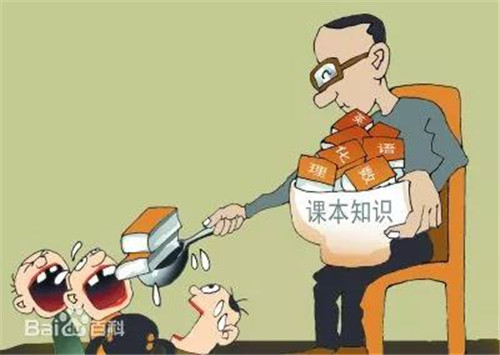
Pure direct instruction is a teacher-centered lesson, where the teacher is the center of information, and students learn more passively – think of the phrase “chalk and talk.”
纯粹的直接式教学是以老师为中心的课堂,老师主动输出,学生被动学习(想象一下粉笔加口授的填鸭式教育)。
Pure discovery learning is an entirely “flipped classroom,” where the teacher becomes more a learning facilitator than a source of knowledge. Students are encouraged to research and discover information on their own – without being “taught” it, with the goal of improving problem-solving skills.
然而,发现式教学彻底翻转过来:相比把老师当作知识的来源,他们更像是学习的启发引导者。课堂上没有“教授”,老师鼓励学生独立自主探索知识,旨在提高学生解决问题的能力。
In modern educational research, it feels like ninety percent of the differing opinions (ferocious arguments) are about what content we teach, rather than how it is taught. But the remaining ten percent seems to be a battle between the two camps of discovery learning and direct instruction.
在现代教育调查中,90%的激烈的争论都是关于老师教授的内容而不是教授的方式方法。剩下的10%的声音似乎在争论发现式教学和直接式教学。
I certainly appreciate the opinion that discovery learning sounds like a better choice, but, as with most things in life, ingesting too much can be poisonous. When taken to its extremes, the argument “information is worthless, why do we need to memorize anything when we can just look it up?”
当然,我理解“发现式教学是更好的选择”的观点,但是,就如生活中大多事情一样,过犹不及。甚至还有如此极端的说法:“信息是没有价值的,明明我们可以查一查就知道的东西,干嘛要去记?”
To people who make such an argument, I would claim that they then should be able to travel to China and communicate independently in Chinese without memorizing any words.
对于提出这种观点的人,我要说的是,是不是他们去中国旅游时不用记中文词汇就能独自交流了?
I argue that memorization and direct instruction are still important components of education.
我认为直接式教学和记忆仍是教育的重要组成部分。
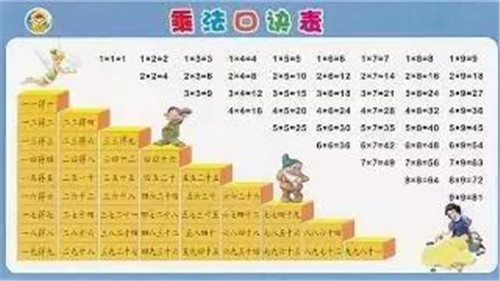
Learning times tables in primary school, for example, which we are sadly shifting away from in the West as more and more arguments against it surface, affords students a foundation on which to build.
就如在小学学习九九乘法表,供以学生建立基础,而可惜的是在西方人们正在摒弃它,因为越来越多的争论浮出水面。
Understanding more complicated mathematical structures requires intense use of brain power. Often, to demonstrate these structures, we use examples with “easy” numbers, where multiplication can be done quickly.
想要理解更复杂难懂的数学结构需要充分利用大脑,为了演示论证,我们通常利用简单的数字举例,快速完成乘法运算。
If, in such an example, a student is still taking an extra few split seconds to calculate 8*9 in their head while in the middle of attempting to comprehend the deep process of integration, things will be much more difficult to them.
举例来说,如果一个学生在尝试理解积分的深奥过程中仍然需要大脑另花几秒钟来计算8*9是多少的话,那么事情多他来说就难得太多了。
Certainly, discovery-based learning is an incredibly important tool in modern education. But I argue that we shouldn’t shift away from direct instruction entirely.
毋庸置疑,在现代教育中,以自主探索为基础的学习是一项不可不重视的方法。但我坚定地认为我们不可以完全脱离老师直接传授知识的教学模式。
A healthy balance is important. Teachers shouldn’t be afraid to directly teach their students facts and ask their students to memorize said facts.
老师们不必害怕直接教授学生们知识,也不必害怕要求学生背诵,因为良性平衡是非常重要的。
Written by Nick Cowsill,
Math Teacher
Translated by Joyce Wang
from PAL 2