上周“熊猫基地之Biology Field Trip”愉快地结束了,说好的英文调研报告也如期出炉,今天和大家一起分享。当然,感谢PAL-2 Taylor Chen热心投来稿件,为积极高效的你点赞!
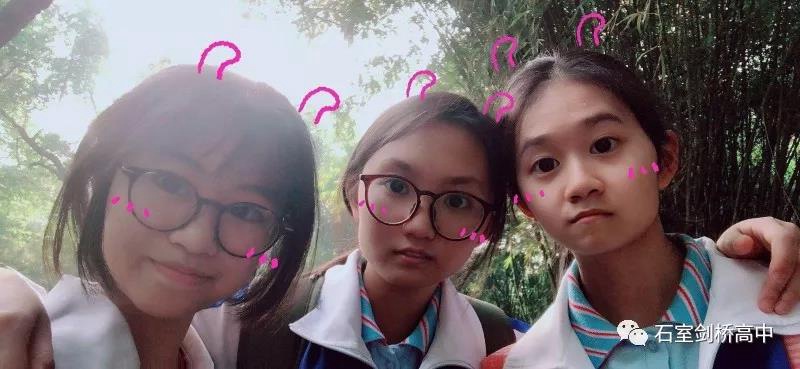
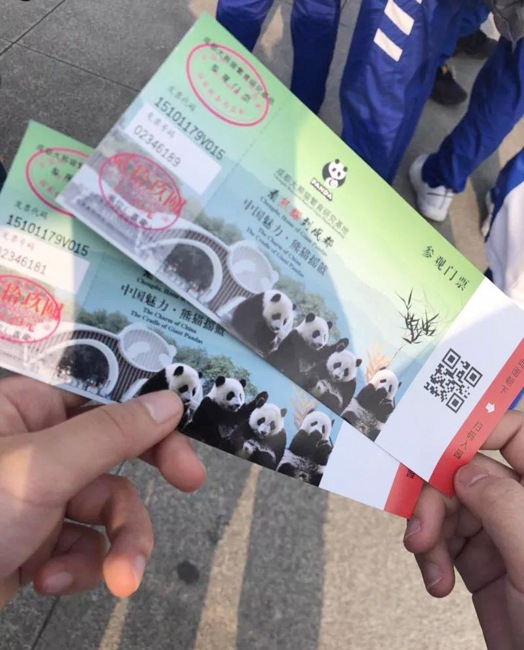
4月18日,Mr. Mishra, Mr. Strugnell和Lillian老师与高一高三学生物的同学们去了熊猫基地。熊猫基地位于成都的北方,我们在路上花费了大约一个小时。这是高一的同学们第一次在户外上课,所以我们相当激动,感谢Mr. Mishra为我们安排了这一次行程。
It was a hot sunny day. We arrived the Panda Research base around 9:00. There were a lot of visitors even on Wednesday for panda is the famous symbol of Chengdu as well as its hometown in Sichuan .
那天的天气很好,我们大约在上午9:00的时候抵达熊猫基地。因为熊猫是成都最出名的标志,并且四川也是熊猫的故乡。所以在工作日的时候,熊猫基地仍然吸引了大量游客。
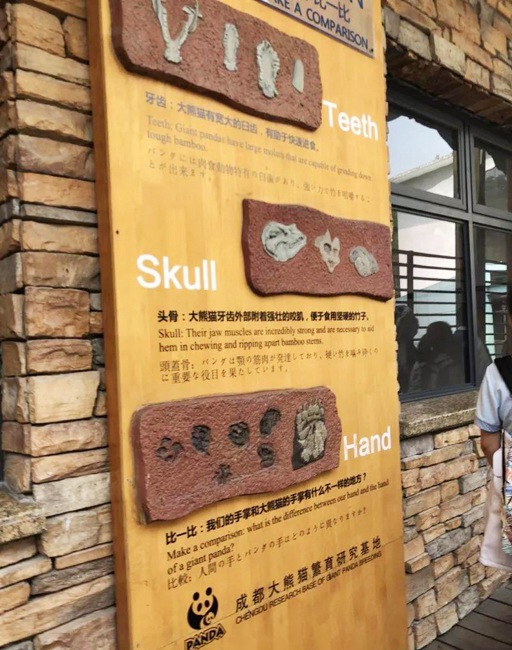
I was impressed by the beautiful and peaceful environment here at the beginning. The bamboo scattered everywhere and the atmosphere there was placid. When we saw a big notice board, Mr. Mishra introduced the red panda to us. This is a kind of endangered animal whose main food is bamboo as herbivore. Additionally, their average life span is 17.5 years old. We all found red panda is definitely a cute animal.
我最开始进入熊猫基地的时候就被平静的环境所吸引, 路旁边种满了竹子,整个氛围都被烘托得非常的平静。在我们看见了一块公告牌之后,Mr. Mishra 首先为我们介绍了小熊猫。小熊猫是一种濒危动物,由于它们是食草动物所以它们的主食也是竹子。而且它们的平均年龄是17.5岁。我们都认为小熊猫是一种可爱的生物。
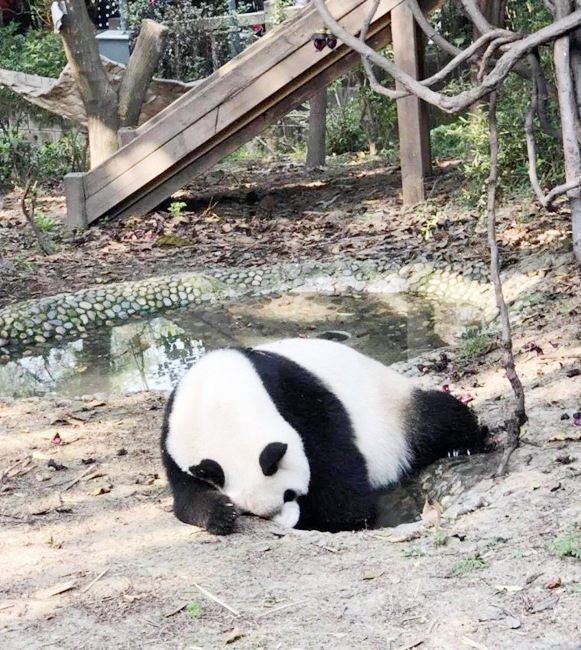
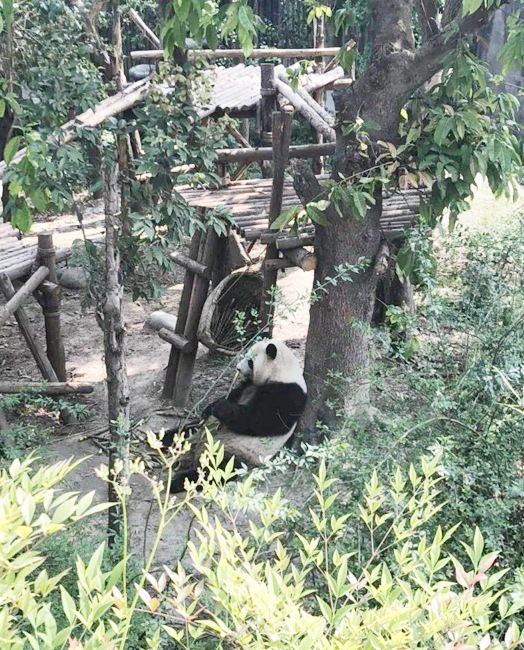
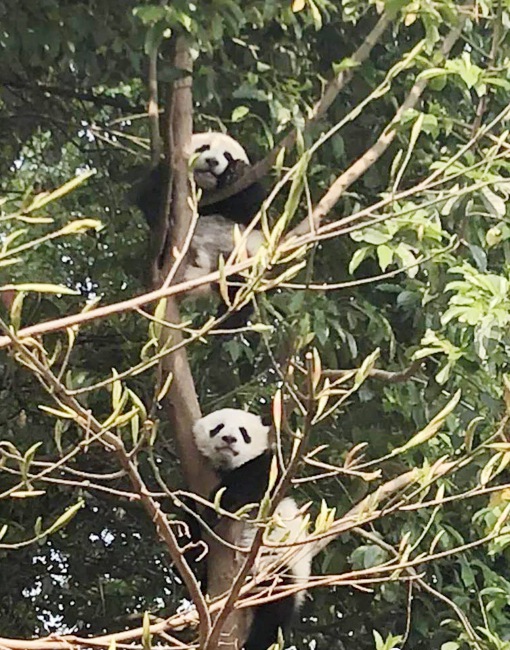
Then, we saw a sleeping giant panda near the pool. We were so excited that took so many photos for the first panda we saw after a long walk. However, this one didn’t care us at all but continued sleeping. Several minutes later, we went to see 2 female pandas and one is called Jing Jing. The notice board says both of them are gentle and soft. Interestingly, Jing Jing was named after the mascot panda of 2008 Olympic Games. Mr. Mishra told us why these pandas were all sleeping: Pandas spend most of their day eating and sleeping. Luckily, we saw one adult panda was eating bamboos and another was walking in the shadows.
紧接着我们看见了一只在池塘旁边睡觉的熊猫。这是我们在漫长的步行之后见到的第一只熊猫,所以我们兴奋的拍了许多照片,但是这只熊猫并没有理会我们反而继续睡觉。紧接着,我们去看了2只雌性熊猫,其中1只的名字叫晶晶。旁边的告示板告诉我们这两只熊猫的脾气都很温和。更有趣的是晶晶的名字和北京奥运会的吉祥物一样的。Mr. Mishra告诉我们熊猫每一天几乎都在睡觉和吃竹子之中度过,这就是我们看见的熊猫全部在睡觉的原因。幸运的是,我们看见的最后2只成年大熊猫分别在吃竹子和散步。
After observing adult pandas sleeping, walking and eating, we went to see the baby pandas. Baby pandas were playing inside a house and can be seen through the windows. The baby pandas in black and white are quite different from those little newborn pink. However, it was really smelly and hot inside, so we went outside quickly.
在看到成年熊猫睡觉、散步和吃竹子之后,我们看到了幼年时期的熊猫。我们所看见的幼年时期的熊猫已经有了黑白相间的毛发,和刚刚出生的粉色小东西完全不一样。它们在一个带有玻璃窗的房子里面玩耍。但是由于里面非常的闷热而且味道很大,我们很快的离开了那里。
In the Panda Kitchen, we learned that the pandas will eat not only bamboos, but also apple and milk powder which can provide them nutrients and keep their diet in balance. The milk temperate must be around 37-38 degrees. Furthermore, one adult giant panda produces 10-20Kg recyclable feces per day.
在熊猫厨房那里,我们知道了熊猫不仅会吃竹子,它们的食谱里面也有新鲜苹果和牛奶。所有的这些食物会为它们提供营养,并且让它们的饮食在一个平衡的状态,而牛奶的温度必须在37至38度左右。每只成年的大熊猫每天会生产10-20千克粪便,我们可以回收利用这些粪便。
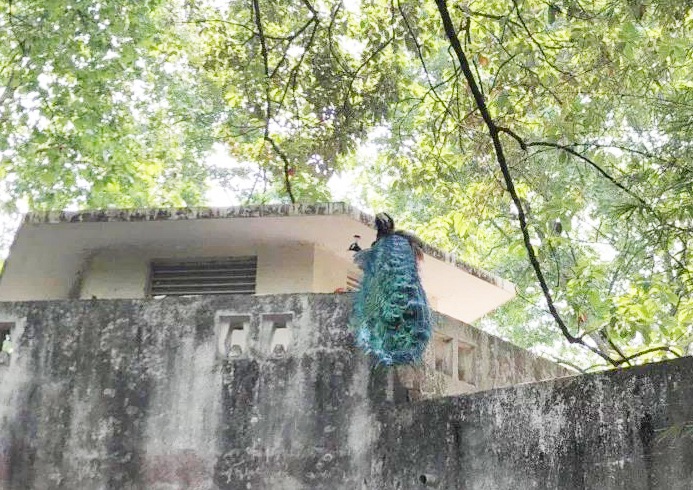
At last, we even saw a beautiful peacock in the Panda Research Base, this was really unexpected. This trip taught us about the food chain and ecosystem, we really learned a lot. Finally, thank Mr. Mishra again for preparing this trip for us, Mr. Strugnell for taking care of and Miss. Lillian for taking beautiful photos.
在行程的最后我们甚至在熊猫基地里面见到了一只孔雀,这是我们所没有预料到的。在这次关于食物链和生态系统的行程中,我们学到了许多。最后再次感谢Mr. Mishra 为我们准备这次行程,感谢Mr. Strugnell维持这次行程的秩序以及Miss. Lillian拍摄的照片。
Taylor Chen
PAL 2